Cultivating Presence: Simple Meditations for Everyday Life
In our fast-paced world, finding moments of stillness can feel like an impossible task. The constant barrage of notifications, responsibilities, and distractions can pull us away from the present moment. Yet, cultivating presence through meditation can transform our daily experiences, allowing us to engage more fully with life. This blog post explores simple meditation techniques that can be seamlessly integrated into your everyday routine, helping you to cultivate a deeper sense of awareness and connection.

Understanding Presence
Presence is more than just being physically present; it involves being fully engaged with the moment. This state of awareness allows us to appreciate the beauty of life, connect with our thoughts and feelings, and respond to situations with clarity. When we cultivate presence, we can reduce stress, enhance our relationships, and improve our overall well-being.
The Benefits of Cultivating Presence
Reduced Stress: Engaging in meditation helps lower cortisol levels, the hormone associated with stress.
Improved Focus: Regular practice enhances concentration and cognitive function.
Emotional Regulation: Meditation fosters a greater understanding of our emotions, allowing us to respond rather than react.
Enhanced Relationships: Being present improves our ability to listen and connect with others.
Greater Satisfaction: Mindfulness practices can lead to a deeper appreciation of life’s simple pleasures.
Simple Meditation Techniques for Everyday Life
Incorporating meditation into your daily routine doesn’t have to be time-consuming or complicated. Here are some simple techniques that you can practice anywhere, anytime.
1. Mindful Breathing
Mindful breathing is one of the easiest ways to cultivate presence. It can be done in just a few minutes and can be practiced anywhere.
How to Practice:
Find a comfortable position, either sitting or standing.
Close your eyes or soften your gaze.
Take a deep breath in through your nose, allowing your abdomen to expand.
Exhale slowly through your mouth, feeling the tension release.
Focus on your breath, noticing the sensation of air entering and leaving your body.
If your mind wanders, gently bring your focus back to your breath.
Duration: 5 minutes
2. Body Scan Meditation
The body scan is a powerful technique that helps you connect with your physical sensations and release tension.
How to Practice:
Lie down in a comfortable position.
Close your eyes and take a few deep breaths.
Begin at the top of your head and slowly move your attention down your body.
Notice any areas of tension or discomfort, and consciously relax those areas.
Continue down to your toes, taking your time to observe each part of your body.
Duration: 10-15 minutes
3. Walking Meditation
Walking meditation allows you to combine movement with mindfulness, making it a great option for those who find it difficult to sit still.
How to Practice:
Find a quiet space where you can walk back and forth.
Stand still for a moment, taking a few deep breaths.
Begin to walk slowly, paying attention to the sensation of your feet touching the ground.
Notice the rhythm of your breath as you walk.
If your mind wanders, gently bring your focus back to the sensations of walking.
Duration: 10 minutes
4. Gratitude Meditation
Practicing gratitude can shift your focus from what you lack to what you have, fostering a sense of abundance and joy.
How to Practice:
Sit comfortably and close your eyes.
Take a few deep breaths to center yourself.
Think of three things you are grateful for, no matter how small.
Visualize each one and allow yourself to feel the gratitude in your heart.
Spend a few moments reflecting on why you are grateful for these things.
Duration: 5-10 minutes
5. Mindful Eating
Mindful eating encourages you to savor your food and appreciate the experience of eating.
How to Practice:
Choose a small piece of food, like a raisin or a piece of chocolate.
Observe its texture, color, and smell before taking a bite.
Take a small bite and chew slowly, paying attention to the flavors and sensations.
Notice how your body feels as you eat, and pause between bites to check in with your hunger and fullness levels.
Duration: Varies based on meal
Integrating Meditation into Your Daily Routine
To reap the benefits of meditation, consistency is key. Here are some tips for integrating these practices into your daily life:
Set a Regular Time
Choose a specific time each day for your meditation practice. Whether it’s in the morning, during lunch, or before bed, having a set time can help establish a routine.
Start Small
If you’re new to meditation, start with just a few minutes each day. Gradually increase the duration as you become more comfortable with the practice.
Create a Dedicated Space
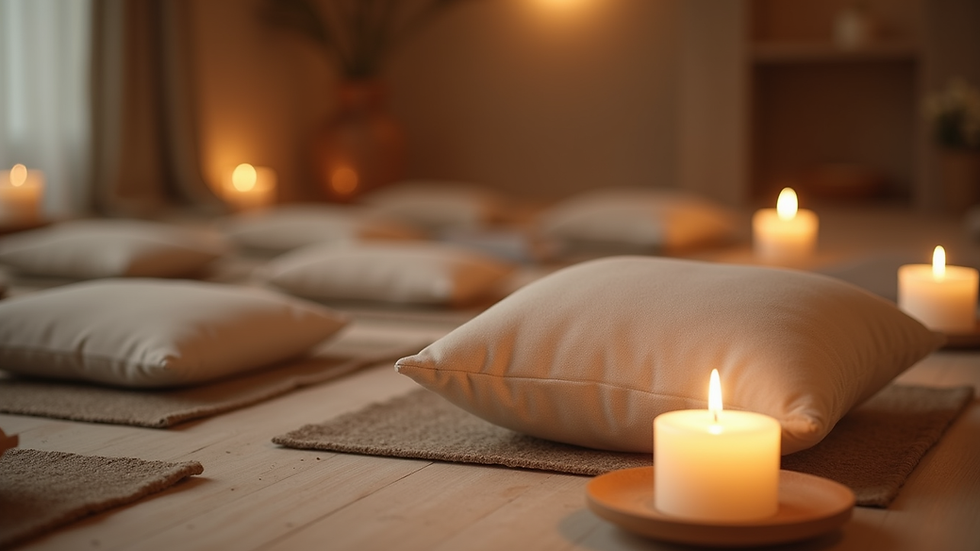
Designate a quiet space in your home for meditation. This can be a corner of a room with a cushion, a chair, or even a spot in your garden. Having a dedicated space can help signal to your mind that it’s time to meditate.
Use Guided Meditations
If you find it challenging to meditate on your own, consider using guided meditations. There are many apps and online resources available that offer a variety of meditation styles and lengths.
Be Patient with Yourself
Meditation is a skill that takes time to develop. Be patient and compassionate with yourself as you learn to cultivate presence. It’s normal for your mind to wander; simply acknowledge it and return your focus to your practice.
Overcoming Common Challenges
Many people face challenges when starting a meditation practice. Here are some common obstacles and how to overcome them:
Distractions
It’s easy to get distracted by thoughts, sounds, or even discomfort. Acknowledge these distractions without judgment and gently bring your focus back to your breath or the present moment.
Restlessness
If you feel restless or fidgety, try a walking meditation or a body scan. Movement can help release pent-up energy and make it easier to settle into stillness.
Lack of Time
Even a few minutes of meditation can be beneficial. If you feel pressed for time, consider incorporating mindfulness into everyday activities, such as washing dishes or taking a shower.
Self-Doubt
Many beginners doubt their ability to meditate effectively. Remember that there is no right or wrong way to meditate. The key is to practice regularly and be open to the experience.
The Impact of Cultivating Presence
As you begin to cultivate presence through meditation, you may notice several positive changes in your life:
Increased Awareness: You become more attuned to your thoughts, feelings, and surroundings.
Improved Relationships: You may find yourself more patient and empathetic towards others.
Greater Resilience: You develop a stronger ability to cope with stress and challenges.
Enhanced Creativity: A calm mind can lead to new insights and ideas.
Conclusion
Cultivating presence through simple meditation techniques can profoundly impact your daily life. By integrating these practices into your routine, you can enhance your awareness, reduce stress, and foster a deeper connection with yourself and others. Start small, be patient, and embrace the journey of mindfulness. Remember, every moment is an opportunity to cultivate presence and engage fully with life. Take a deep breath, and begin your practice today.

Comments